Long Distance Moving Services Don’t Risk Your Goods

Long Distance Moving Services: Move Anywhere Without the Stress or Damage

Selecting the right long distance moving services is the most critical decision you will make during a major relocation. Unlike a quick trip across town, moving across provinces or countries introduces complex variables such as mechanical vibrations, varying climate zones, and strict transit schedules. Professional solutions are designed to mitigate these risks, ensuring that your household or commercial assets survive thousands of kilometers of travel without compromise.

Understanding Long Distance Moving Services

Long distance relocation is a specialized field of logistics that requires a higher level of coordination, licensing, and equipment than standard local moves. It involves the systematic transport of goods across significant geographic boundaries, often requiring multi-day transit periods.

What Are Long Distance Moving Services

Long distance moving services refer to the professional transport of household or commercial goods over a distance that typically exceeds 100 kilometers or crosses a provincial/state border. In the moving industry, these are often categorized as “intrastate” or “interstate/interprovincial” moves. Unlike local moves billed by the hour, these services are fundamentally governed by the weight of the shipment and the total mileage traveled.

Definition and distance criteria in the moving industry

While every company has slightly different internal metrics, the industry standard defines a long-distance move as any relocation where the origin and destination are in different metropolitan areas. For residents moving from the GTA to northern Ontario or out west, this classification triggers specific regulatory requirements and insurance protocols designed to protect consumers during extended transit.

How Long Distance Moving Services Differ From Local Moves

The primary difference lies in the logistical “dead time” and the necessity of specialized loading techniques. In a local moving service, the goal is speed and efficiency. In a long-distance scenario, the priority shifts to structural integrity within the truck to withstand the constant shifting and vibrations of highway travel.

Logistics, timelines, and coordination differences

Local moves are usually completed in a single day. Long-distance moves require a delivery window that can span from three days to two weeks. This timeline necessitates precise coordination between the loading crew, the long-haul driver, and the unloading team at the destination. It also requires a detailed inventory system where every box is tagged and logged to prevent loss during the consolidated shipping process.

Who Needs Long Distance Moving Services

These services are essential for anyone whose relocation cannot be handled by a single truck making a round trip within a standard work shift. This includes families relocating for work, retirees downsizing to a different province, and businesses expanding into new territories.

Residential, commercial, and specialized move scenarios

Residential users often require house moving service packages that include packing, while commercial clients might prioritize an office moving service to manage sensitive electronics and heavy equipment. Specialized scenarios include military relocations or “snowbird” moves where seasonal climate changes in places like Aurora or Newmarket dictate the timing of the transport.

Types of Long Distance Moving Services Available

Modern moving companies offer a variety of service models to fit different budgets and security requirements. Understanding the nuances between these options can save you thousands of dollars and significant stress.

Cross Country Moving Services Explained

Cross country moving services are designed for the most extreme distances, such as moving from Ontario to British Columbia. These moves often involve “interlining,” where goods may be transferred between different trucks or warehouses within a single company’s network to optimize fuel and labor efficiency.

State-to-state vs coast-to-coast relocations

A state-to-state (or province-to-province) move might only take a few days if the distance is manageable, such as moving from Toronto to Montreal. However, coast-to-coast moves require heavy-duty sleepers and often two-person driving teams to keep the shipment moving 24/7. This ensures your goods aren’t sitting idle in a parking lot, which reduces the risk of theft or temperature-related damage.

Movers and Moving Services for Long Distance Relocation

When evaluating movers and moving services, you must choose between full-service and partial-service models. This choice dictates how much physical labor you are responsible for versus what the professionals handle.

Full-service vs partial-service options

Full-service moves include everything from professional packing and unpacking service to furniture disassembly and reassembly. Partial-service options usually involve the movers only handling the loading, transport, and unloading. If you have high-value items, the full-service model is often safer as the company takes full liability for the packing quality.

Goods Moving Services for Residential and Commercial Needs

Professional goods moving services are equipped to handle a diverse range of inventory. This isn’t just about boxes; it’s about the “logic of the load.”

Household goods vs commercial inventory transport

Household goods are irregular in shape and fragile, requiring soft padding and strategic stacking. Commercial inventory, such as warehouse stock or office furniture, is often palletized and requires a specialised freight service approach. Professionals use different tie-down systems and loading patterns for these two categories to ensure zero shifting during transit.

Specialized Long Distance Moving Solutions

Standard moving trucks aren’t always the best fit for every move. Sometimes, specialized equipment is required to manage specific items or flexible timelines.

Container Moving Service for Long Distance Moves

A container moving service involves a weather-proof steel or high-durability wood container being dropped at your home. You (or hired manpower service) pack it, and the company transports it to the destination.

When container-based moving makes sense

Container moving is ideal for moves with a “gap” in the timeline. If you are moving out of your home in Vaughan on the 15th but can’t move into the new place until the 30th, the container acts as its own storage moving service. It eliminates the need to unload and reload a truck twice, which is when most damage occurs.

Shipping Container Moving Service Logistics

Shipping container moving service logistics involve heavy-duty tilt-bed trucks or cranes. It is vital to ensure your driveway or street can support the weight of the container and the delivery vehicle without cracking the asphalt or blocking emergency access.

Loading, transport, and delivery considerations

Professional loaders use a “point-of-contact” system in containers, ensuring that heavy items are at the bottom and items are packed tight to prevent “the landslide effect.” Because containers are often transported via rail or sea for part of the journey, they experience different G-forces than a standard moving truck.

Appliance Moving Service for Heavy and Sensitive Items

An appliance moving service is necessary because modern appliances contain sensitive computer boards and fragile coolant lines. Simply “tilting” a refrigerator the wrong way can ruin the compressor.

Safety, disconnection, and reinstallation factors

Professional movers ensure that washing machine drums are bolted down with “shipping bolts” to prevent them from snapping their suspension during the vibrations of a long-distance haul. They also ensure gas lines and water connections are capped professionally, preventing leaks that could cause thousands of dollars in property damage.

Piano Moving Services Near Me for Long Distance Transport

Searching for piano moving services near you is about finding a team with specialized “piano boards” and heavy-duty padding. A piano is both a heavy piece of furniture and a delicate musical instrument.

Handling, crating, and climate considerations

For long-distance hauls, a piano moving service often requires a custom wooden crate. This protects the finish from the humidity fluctuations found when traveling between the humid GTA and drier western provinces. Without climate-controlled transport or expert crating, the wood can warp, leading to expensive tuning and structural repairs.

Moving and Storage Services for Long Distance Relocation

Very few long-distance moves happen in a perfectly straight line from A to B. Storage is almost always a factor in the equation.

Moving & Storage Services Explained

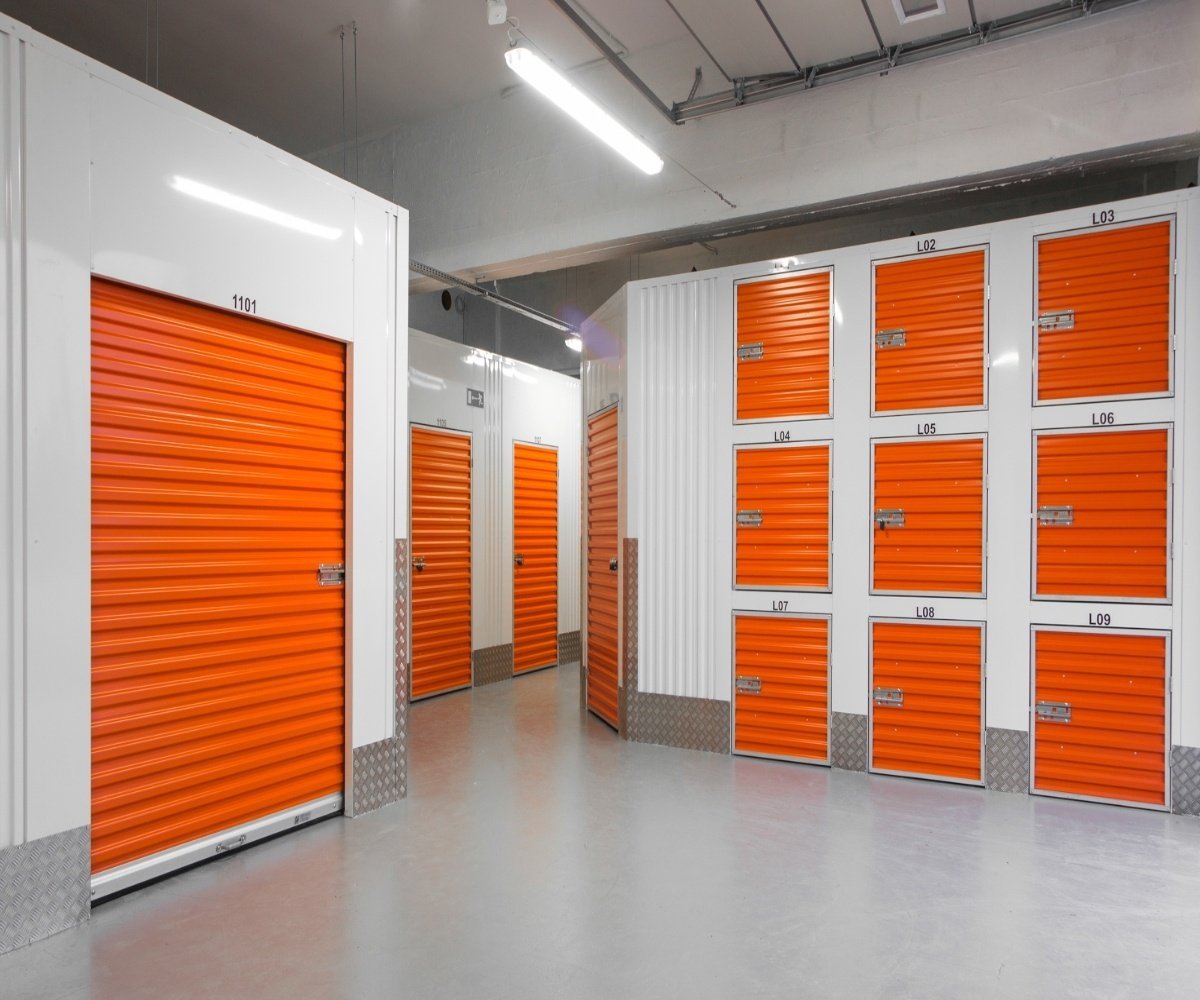
Moving & storage services provide a safety net for your timeline. This can be “Storage in Transit” (SIT), where your goods stay on the truck for an extra few days, or long-term warehouse storage.

Short-term vs long-term storage needs

Short-term storage is usually for 30 days or less and is often used when house closings are delayed. Long-term storage is necessary if you are relocating temporarily for a contract or if your new home is still under construction in a city like Markham or Richmond Hill.

Moving and Storage Service Integration

Integrated services mean the same company that packs your home also manages the storage unit. This maintains the “chain of custody,” which is vital for insurance claims. If three different companies handle your goods, and something breaks, they will all blame each other.

Coordinating storage with delivery timelines

A professional coordinator will schedule the “pull date” from storage to coincide with your move-in date. They manage the logistics of moving items from a vault to a delivery truck, ensuring that the most essential items (like beds and kitchenware) are accessible first.

Secure Storage Options During Long Distance Moves

Security is paramount when your entire life is sitting in a warehouse. Look for facilities with 24/7 surveillance, fire suppression systems, and strict access logs.

Climate control and inventory protection

In the Canadian climate, especially during the cold winters of Aurora and Newmarket, climate-controlled storage is non-negotiable. Freezing temperatures can crack leather furniture, ruin electronics, and cause wood to split. A storage moving service with temperature and humidity regulation preserves the lifespan of your assets.

How Long Distance Moving Services Work Step by Step

A professional move follows a strict four-phase process to ensure nothing is overlooked.

Pre-Move Planning and Assessment

Everything starts with a detailed inventory. A moving consultant will either visit your home or conduct a virtual walkthrough to estimate the weight of your goods. This is the stage where you decide which items stay and which are sent for furniture removal.

Inventory evaluation and service selection

You will receive a “Table of Measurements” or a “Cube Sheet.” This document lists every item and its estimated weight. Professional Insight: Always disclose the contents of your attic and basement during this phase. If the weight is significantly higher on moving day, your final price will spike unexpectedly.

Packing and Preparation for Long Distance Moves

Packing for a long-distance move is different from packing for a local one. Boxes must be “over-packed” to ensure there are no air gaps, which leads to crushing when boxes are stacked six-high in a trailer.

Professional packing vs self-packing decisions

If you choose to self-pack, the mover’s liability is limited. They only cover “External Damage” to the box. By using a professional packing service, the company assumes the risk for the contents as well. This is often the smartest “insurance policy” you can buy for a cross-country move.

Transportation and Transit Process

Once loaded, your goods are part of a massive logistics network. The truck may make several stops to pick up or drop off other shipments, which is how movers keep the costs affordable for the consumer.

Tracking, scheduling, and communication

Modern long distance moving services provide GPS tracking or daily check-ins from the driver. You should have the driver’s cell phone number or a dedicated move coordinator who can tell you exactly where the truck is as it crosses through various provinces.

Delivery, Unloading, and Final Setup

Upon arrival, the crew will perform a “Check-off” as items come off the truck. You must have your inventory sheet ready to ensure every numbered tag is accounted for.

Inspection and completion procedures

Before the movers leave, inspect your high-value items. If you notice a scratch on your dining table or a hole in a box, note it on the “Bill of Lading” immediately. This documentation is the foundation of any future insurance claim.

Cost Factors in Long Distance Moving Services

The cost of a long-distance move is not arbitrary; it is a calculation based on physical resources and time.

How Pricing for Long Distance Moving Services Is Calculated

The “Big Three” of pricing are Weight, Distance, and Service Level. Most companies charge a base rate per pound and a mileage fee.

Distance, weight, volume, and service level

Expert Tip: The “Volume” (how much space you take up) only matters if you are using a container or a dedicated truck. For most long-distance moves, the “Weight” is the king of the bill. This is why downsizing before the move is the most effective way to lower your costs.

Cost Differences Between Full-Service and Container Moving

Container moving often appears cheaper upfront because you are providing the labor (or hiring local manpower service separately). Full-service moves are more expensive but offer “Binding Estimates,” which protect you from price hikes once the truck is loaded.

Budget flexibility and control considerations

Containers offer more flexibility but require you to manage the logistics of two separate locations. Full-service moves are “hands-off” but require a larger initial investment. Choose the model that fits your stress tolerance, not just your bank account.

Additional Charges to Watch For

The base quote rarely includes “Accessorial Charges.” These are fees for extra labor caused by the physical layout of your origin or destination.

Stairs, specialty items, and storage fees

If the moving truck cannot park within 75 feet of your door, you will be hit with a “Long Carry Fee.” If you have a piano moving service requirement or need a shuttle (a smaller truck to move items from the big rig to a narrow street), these will be added to your final bill.

Choosing the Right Long Distance Movers

Hiring the wrong company for a long-distance move can result in “hostage loads” or devastating property loss.

How to Evaluate Movers and Moving Services

Check for a valid CVOR (Commercial Vehicle Operator’s Registration) and verify their insurance limits. A reputable company will have no problem providing their “Certificate of Insurance” (COI).

Licensing, insurance, and credentials

Look for membership in professional organizations like the Canadian Association of Movers (CAM). These organizations vet their members for ethical business practices and financial stability, ensuring you aren’t dealing with a “fly-by-night” operation using a rented truck.

Comparing Cross Country Moving Services Providers

Don’t just look at the bottom line. Compare the “Valuation” (insurance) they offer. A company that is $500 cheaper but offers zero protection is actually the more expensive option if a single TV breaks.

Reputation, experience, and coverage areas

Read reviews specifically for their long distance moving performance. A company might be great at local moves in Vaughan but lack the infrastructure to handle a 3,000km haul. Ensure they have physical locations or “agent partners” at your destination.

Red Flags When Hiring Long Distance Moving Services

Warning: Never hire a company that gives an estimate over the phone without seeing your items (via video or in-person). This is a classic sign of a “Low-Ball” scam where the price doubles on moving day.

Unrealistic pricing and contract issues

If a quote is significantly lower than three others, ask why. Are they skipping insurance? Are they using untrained labor? A professional goods moving service has fixed costs for fuel and labor; if their price is too low, they are cutting a corner that will eventually cost you.

Planning a Successful Long Distance Move

Success in a long-distance move is 80% preparation and 20% execution.

Timeline Planning for Long Distance Moving Services

Start your planning at least 8 to 12 weeks out. Long-distance schedules fill up quickly, especially during the summer months and the end of the month when leases expire.

Booking windows and seasonal considerations

Moving in the winter in Ontario can be cheaper, but you must account for “Weather Delays.” If a snowstorm hits Newmarket, your truck could be delayed by 24 to 48 hours. Always build a “buffer day” into your travel plans.

Preparing Your Household or Business for the Move

Inventory management is your best friend. Create a “No-Pack” zone for items you will carry in your personal vehicle, such as jewelry, medication, and essential documents.

Decluttering and inventory management

Every pound you don’t move is money in your pocket. Use a furniture removal service for that old couch that won’t fit the vibe of your new place. Downsizing is the only way to “earn” money during a move.

Coordinating Appliances, Pianos, and Special Items

Don’t wait until moving day to mention the pool table or the grandfather clock. These items require specialized “third-party” services or custom crating that must be scheduled in advance.

Scheduling specialized moving services

Ensure your piano moving service and appliance moving service are confirmed 48 hours before the main crew arrives. This prevents the “logistics bottleneck” where the main truck is waiting for the specialty items to be ready.

Common Mistakes to Avoid in Long Distance Moving

Even the most organized people make mistakes that lead to unnecessary stress and expense.

Underestimating Time and Cost

People often forget that “Life Happens.” Traffic, weather, and mechanical issues are part of the long-distance reality.

Last-minute decisions and rushed planning

Rushed packing leads to “loose boxes.” A loose box is a crushed box. If you find yourself behind schedule, it is cheaper to hire an unpacking service at the destination than it is to pay the movers for “Wait Time” while you finish taping boxes at the origin.

Choosing the Wrong Type of Moving Service

Trying to save money by using a container for high-value antiques is a mistake. Antiques need the climate control and air-ride suspension found in a professional full-service house moving service truck.

Mismatch between needs and service type

Be honest about your physical abilities. If you have a bad back, don’t choose a DIY container move. The money you save will go straight to a chiropractor. Match the service to your physical and mental capacity.

Poor Communication With Movers

The driver is your most important partner. If you don’t tell them about the “No Parking” sign at your new condo in Toronto, they will have to park three blocks away, and you will be billed for the extra labor.

Incomplete inventories and unclear expectations

If you add a freezer or a heavy safe after the quote is finished, tell the company immediately. They might need a different ramp or an extra crew member. Surprises on moving day are always expensive.

Safety, Insurance, and Liability in Long Distance Moving

You are handing over everything you own to a stranger. You must understand the legal protections in place.

Insurance Options for Long Distance Moving Services

In Canada, “Released Value Protection” is the basic coverage included in most quotes. It pays out by the pound (usually $0.60 per lb). If your $2,000 MacBook Pro weighs 3 lbs, the company only owes you $1.80.

Released value vs full-value protection

Always opt for Full-Value Protection. This ensures that if an item is lost or broken, the company must either repair it, replace it with a like-item, or pay you the current market value. On a long-distance move, the small extra cost for this insurance is essential for peace of mind.

Protecting Goods During Cross Country Moves

The “Wall Building” method is the industry secret to safe transport. Movers build a vertical wall of boxes from floor to ceiling, securing it with “logistics straps” every few feet. This prevents the load from leaning or collapsing during sudden braking.

Packing standards and handling protocols

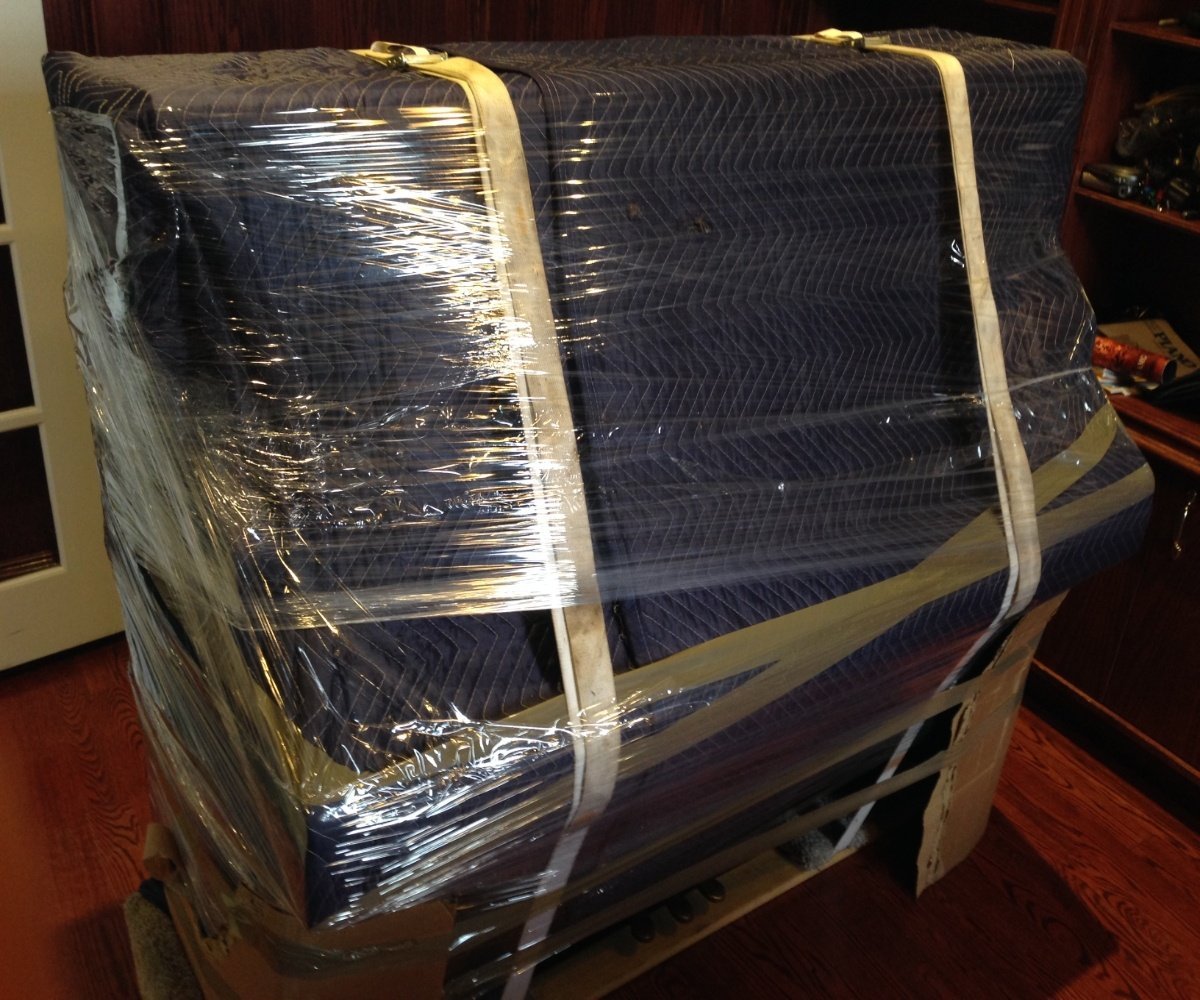
Every piece of furniture should be “Pad Wrapped” inside the house, not on the truck. This protects your walls in Richmond Hill and ensures that no dust or grit gets under the blankets to scratch the wood during the long vibration of a cross-country haul.

What to Do If Items Are Lost or Damaged

First, don’t panic. Second, take photos. You usually have a specific window (often 30 to 60 days) to file a formal claim.

Claims process and documentation

Keep your original inventory sheet. If box #42 is missing, that is your “smoking gun” for the claim. Submit your documentation via certified mail or a tracked portal to ensure there is a record of your request.

Commercial and Business Long Distance Moving Services

Moving a business is a different beast entirely. Every hour the truck is on the road is an hour of “lost revenue.”

Long Distance Moving for Offices and Businesses

An office moving service focuses on “Downtime Minimization.” This often involves moving over a weekend or during off-peak hours to ensure your staff can be back online by Monday morning.

Equipment, files, and downtime management

Sensitive servers and IT equipment require specialized freight services with anti-static wrapping and air-ride suspension. Professional movers will use “Label Coding” so that every desk and computer is placed exactly where it belongs in the new office layout, eliminating hours of searching for files.

Goods Moving Services for Commercial Relocation

For retail or manufacturing, moving stock is about “Chain of Custody.”

Inventory control and logistics planning

We use a “manifest system” where every pallet or crate is scanned at the origin, the transfer point, and the destination. This level of specialised freight service ensures that your commercial insurance remains valid throughout the transit.

When Professional Long Distance Moving Services Are Necessary

While DIY is great for a dorm room, it is a liability for a family home or a business.

Situations That Require Expert Movers

If you are moving more than two bedrooms, or if you have “High-Risk” items like a piano or an antique collection, professional help is mandatory. The complexity of managing a large truck over long distances is beyond the skill level of most casual drivers.

Distance, complexity, and item sensitivity

The longer the distance, the more “stress cycles” your items experience. Professionals use industrial-grade packing materials that can withstand these cycles. DIY materials like used grocery boxes will fail after the first 200 kilometers of highway vibration.

DIY vs Professional Long Distance Moving

The “Hidden Costs” of DIY include truck rental fees, mileage surcharges ($0.80+ per km), fuel (which is massive for a 26ft truck), insurance, and your own lodging and food on the road.

Risk, cost, and efficiency comparison

By the time you add up all the DIY costs, a professional long distance moving service is often only 20% more expensive. For that 20%, you get professional labor, a binding insurance policy, and the ability to drive your own car in comfort while someone else handles the stress.

Long-distance relocation is a monumental life event, but it doesn’t have to be a disaster. By choosing the right long distance moving services and preparing with the diligence of a pro, you can turn a complex transition into a seamless success. Ready to start your journey with a team you can trust? Contact us today for a comprehensive quote and see why we are the top-rated movers in the GTA.


Leave a Reply

Your email address will not be published. Required fields are marked *